Biomarker for Tracking Depression Recovery
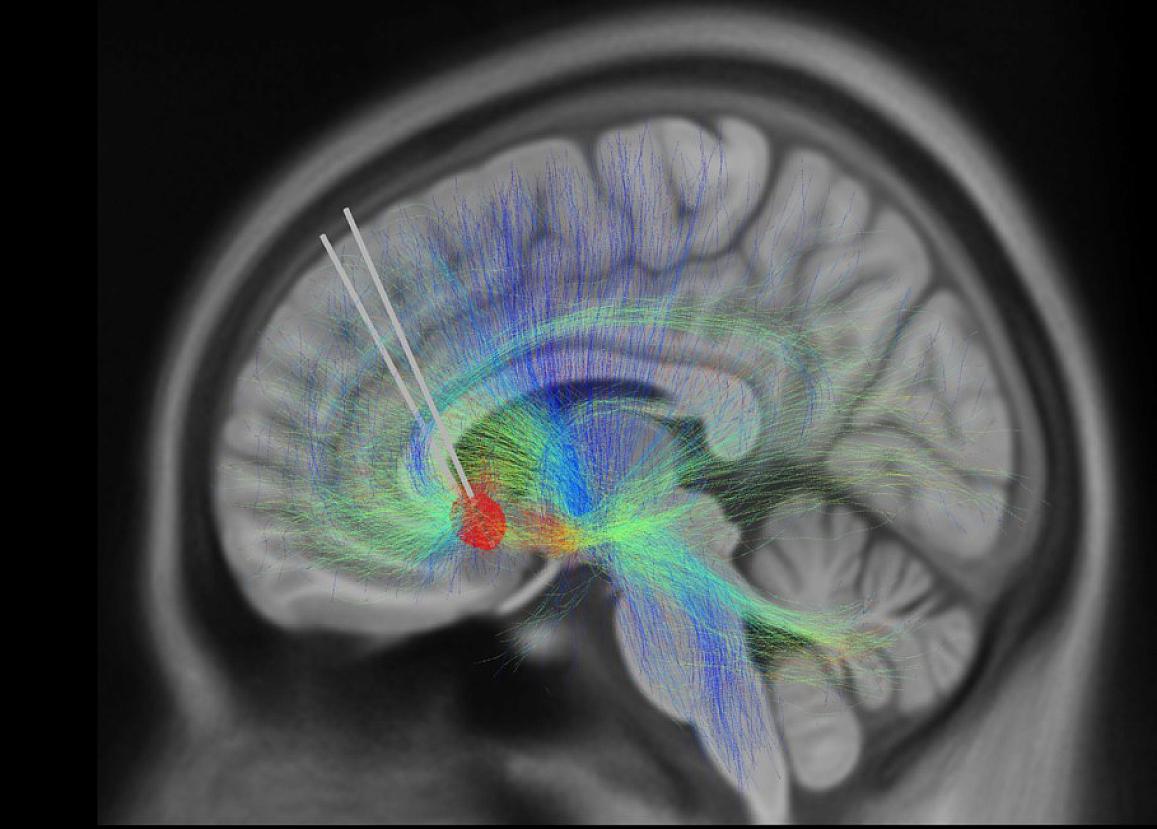
Image credit: Ki Seung Choi/Mayberg Lab, Icahn School of Medicine at Mount Sinai
A new discovery from a team of researchers in the United States represents a key piece of the puzzle in supporting patients with treatment-resistant depression.
Using a type of deep brain stimulation (DBS) device that could record neural activity, researchers were able to identify a biomarker associated with clinical signs of recovery from treatment-resistant depression.
Six months’ worth of brain recordings were analysed across 10 patients, leading to the discovery of a common pattern of brain activity as each patient recovered from their depression.
Researchers also found that following six months of DBS therapy, 90 percent of patients showed significant symptom improvement.
“We showed that by using a scalable procedure with single electrodes in the same brain region and informed clinical management, we can get people better,” said study co-author, Dr Christopher Rozell in a statement.
“This study also gives us an amazing scientific platform to understand the variation between patients, which is key to treating complex psychiatric disorders like treatment-resistant depression.”
Refer to the National Institute of Health for further information, or access the related research paper via Nature.
