Rock, Paper, Scissors: Wearable BCI Distinguishes Hand Gestures
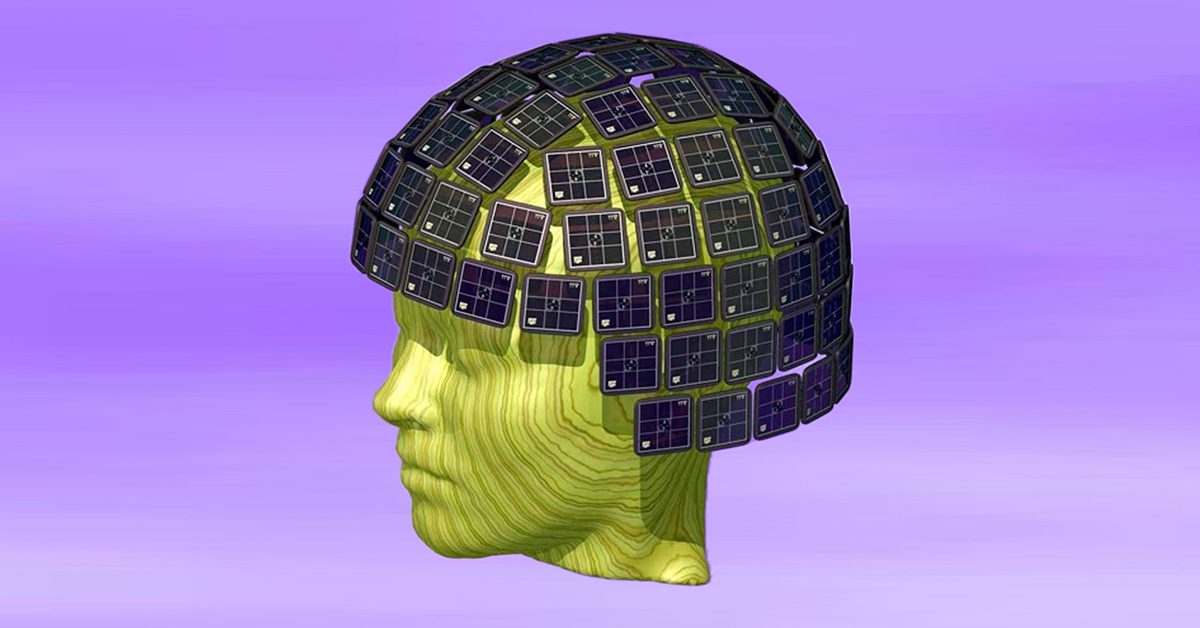
Image credit: MEG Center, UC San Diego Qualcomm Institute
A non-invasive brain-computer interface (BCI) that gives individuals with paralysis or amputated limbs to use their mind to control a device that differentiates between various hand gestures through brain imaging is on its way.
The helmet-like BCI device is embedded with sensors, and uses a magnetic neuroimaging technique known as magnetoencephalography (MEG).
The findings, recently published in Cerebral Cortex by a team from the University of California San Diego, are an exciting milestone for those living with paralysis, amputation or other physical challenges and looking for support with everyday activities through non-invasive BCI devices.
“With MEG, I can see the brain thinking without… putting electrodes on the brain itself,” said study co-author, Dr Roland Lee in a statement.
“I just have to put the MEG helmet on their head. There are no electrodes that could break while implanted inside the head; no expensive, delicate brain surgery; no possible brain infections.”
In a recent trial, 12 participants wore the device and made a ‘rock’, ‘paper’ or ‘scissors’ gesture with their hand. The data was interpreted through a deep learning model, with an accuracy in differentiating the gestures of over 85 per cent.
Check out the full research study via Cerebral Cortex.
